Our charter reflects the network’s current best thinking for guidance and is meant to evolve and shift over time. Each year the steering committee will review the charter and request feedback from the network members. Major ideas and updates that affect our charter are made every year between Dec.-Jan.
Mission & Vision
The world we are creating looks like communities across Washington collaborating and flourishing with access to fresh, locally grown food and food systems education. By prioritizing accessibility, sustainability, and regional resilience, the Network empowers communities, via supporting local economies and nurturing a thriving food system that benefits everyone.
We organize and support a thriving farm-to-school network where all students have access to nutritious, locally sources foods and food systems education, promoting community well-being, sustainability, and local economies.
Areas of Focus
Our members come together around four shared areas of focus that guide the Network’s collective work across Washington. These focus areas reflect how we learn, build relationships, grow access to local food, and advocate for stronger, more equitable farm to school systems—grounded in community voice, collaboration, and shared impact.
Farm to school varies by location but always includes one or more of the following:
Procurement
Local foods are purchased, promoted and served in the cafeteria or as a snack or taste-test.
School Gardens
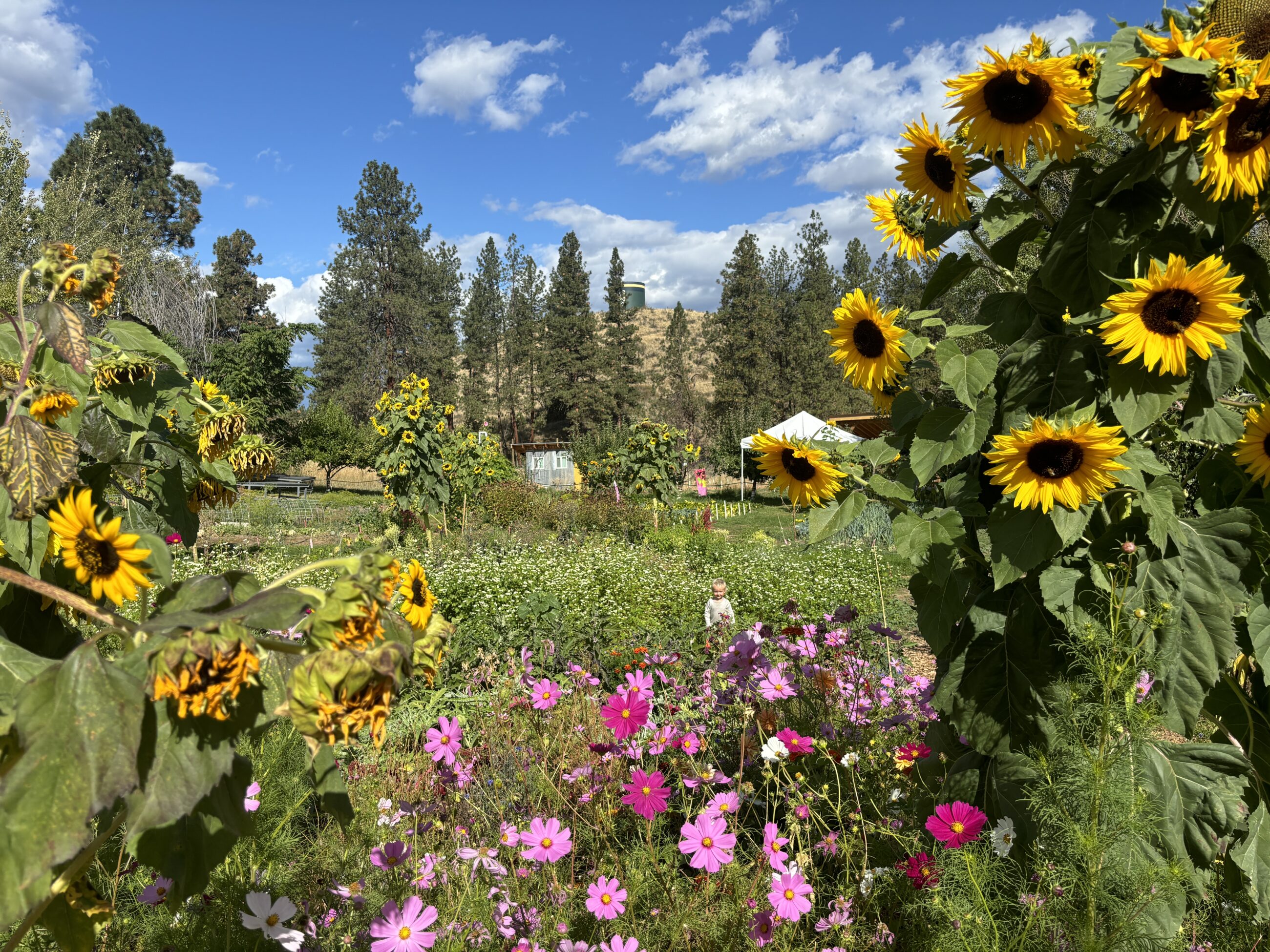
Students engage in hands-on learning through gardening.
Education
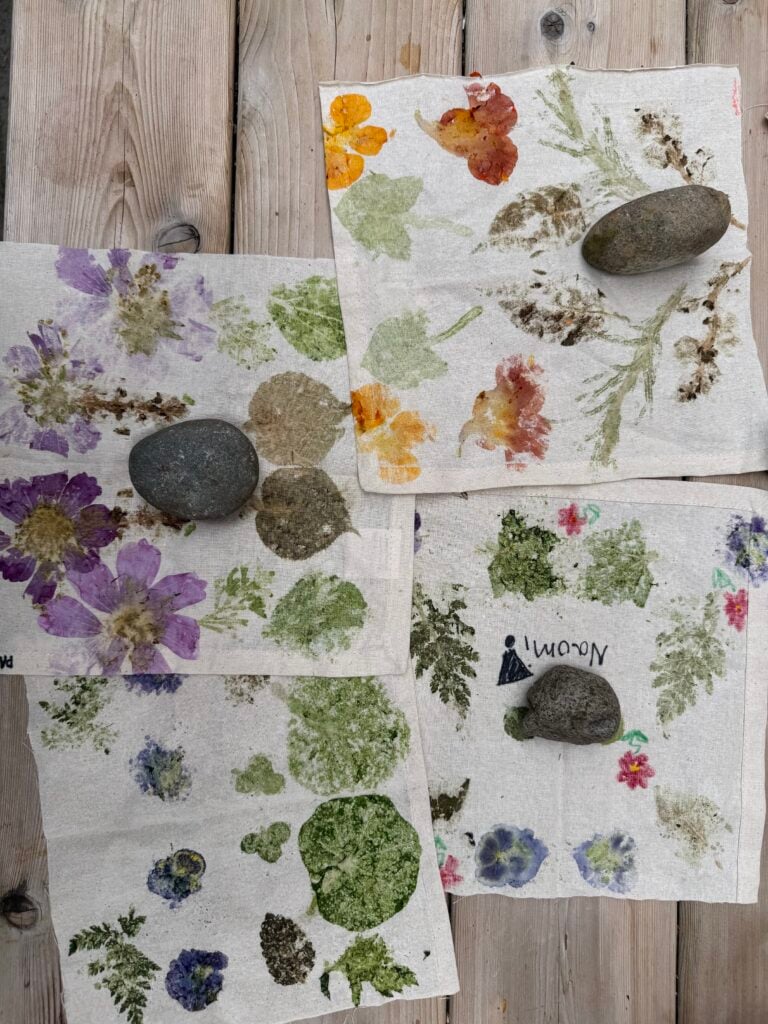
Students participate in education activities related to agriculture, food, health or nutrition.
What is a Network?
A network is a dynamic system of relationships and interactions that enables connection, learning, collaboration, and systemic change.
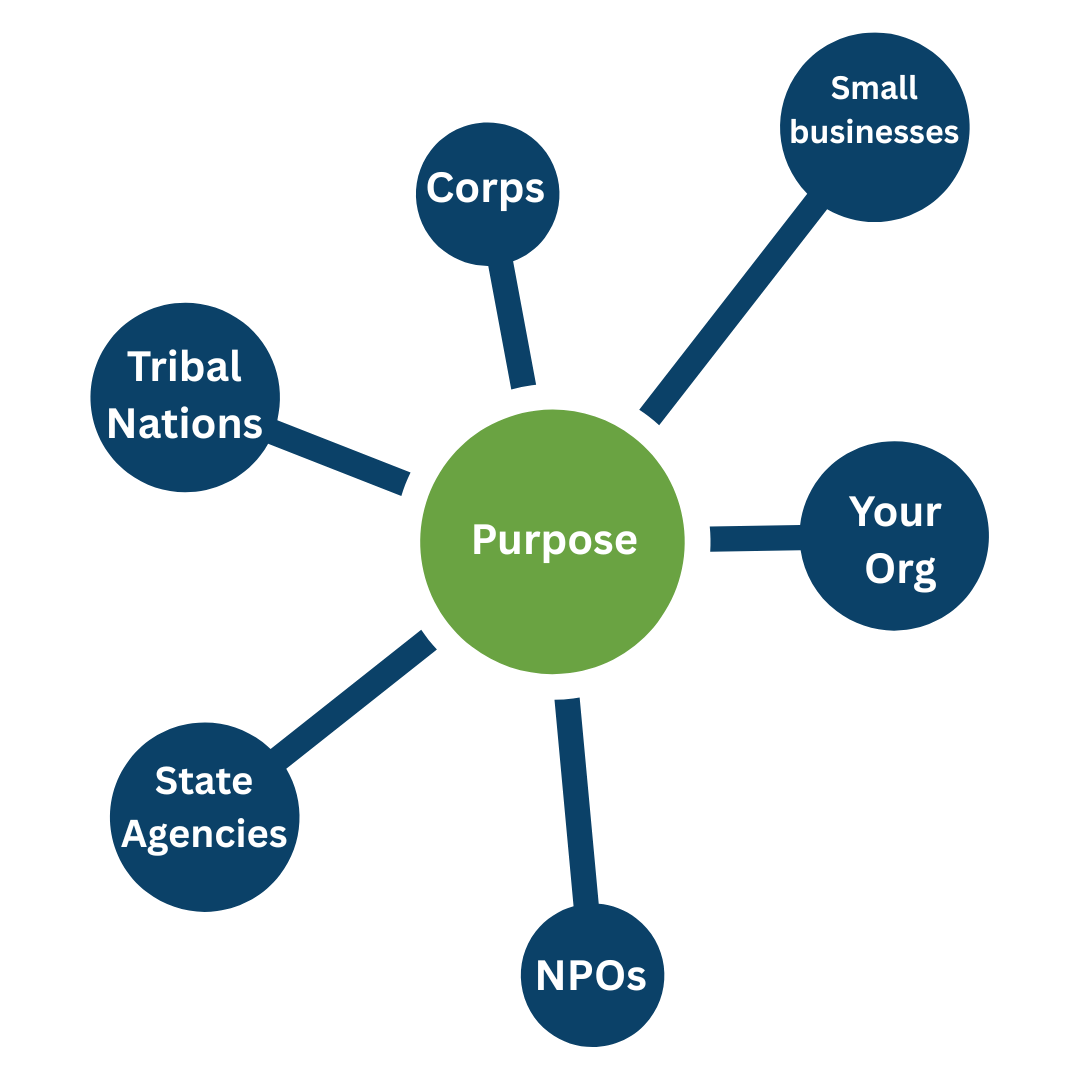
Healthy networks power systems change by connecting diverse people around a shared purpose. Through learning, storytelling, advocacy, and aligned action, networks help communities stay informed, engaged, and equipped to create lasting impact.
Our Network
Our network moves with shared purpose—connecting people, ideas, and action to create collective impact.
Local Farms Healthy Kid Act passed by state legislature creating Farm to School program within WSDA.
2015
WSDA hosts Farm to School Summit with a USDA Farm to School grant.
2016
Monthly coordinating calls since 2015 summit through June 2018. WSDA applied for the USDA Farm to School grant.
2017
WSDA awarded the USDA Farm to School grant to establish a statewide Farm to School Network. Established the Network Formation Committee
2018
Conducted listening sessions and hosted a WA Farm to School Network Launch Summit in Ellensburg establishing network structure, goals & priorities/
2019
Network Coordination Retreat. Onset of regular Community of Practice calls, monthly Coordination team calls, and Network Action Teams.
2020
COVID – efforts and meetings focused on supporting schools and cafeterias. COP and Coordination Team calls were ongoing. Network Action Teams halted.
2021
Virtual Spring Network Gathering held to share updates from agencies and updates within the network.
2024
Hired a Network Coordinator supported by a new fiscal sponsor* and private donor. *The backbone organization the network was seeking since inception.
FAQs
What is the Washington Farm to School Network (WAF2S)?
WAF2S is a statewide network that connects schools, farmers, food hubs, nonprofits, agencies, and community leaders to strengthen farm to school efforts across Washington. We work at the intersection of agriculture, education, health, and community to increase access to local food and meaningful food system learning.
What does “Farm to School” mean?
Farm to School connects students to local food and local producers through:
Local procurement for school meals
School gardens and hands-on learning
Food, nutrition, and food system education
Agricultural education and career pathways
It’s about more than carrots on a tray. It’s about relationships—from soil to student.
Who is the Network for?
The Network is for anyone advancing farm to school in Washington, including:
School nutrition directors and staff
Teachers and garden educators
Farmers and food producers
Food hubs and distributors
Public health partners
Tribal food sovereignty leaders
State agencies and policymakers
Community-based organizations
If you care about getting local food into schools and students into the food system, you belong here.
What does WAF2S actually do?
We focus on coordination, connection, and amplification. That includes:
Convening regional and statewide meetings
Sharing resources, tools, and funding opportunities
Supporting relationships between schools and producers
We don’t replace local leadership—we help it thrive.
Is WAF2S a funding organization?
WAF2S is not a grantmaker. However, we:
Share funding opportunities
Support collaborative proposals
Help partners understand state and federal programs
Connect people to technical assistance
We help you navigate the ecosystem so you’re not doing it alone.
How can my school start or grow farm to school efforts?
Start with relationships.
Connect with local producers, food hubs, and educators in your region. Explore purchasing incentives, garden programming, and classroom integration. WAF2S can help connect you to peers who’ve done it before—because you don’t need to reinvent the wheel.
How can farmers or producers get involved?
Farmers can:
Sell directly to schools or through food hubs
Participate in procurement programs
Host field trips or classroom visits
Share career pathway opportunities
We help connect producers with school nutrition leaders and regional partners to build workable, long-term relationships.
What regions does the Network serve?
WAF2S serves the entire state of Washington through statewide coordination. The network has borrowed Eat Local First’s map to separate the state into regions. Each region has unique strengths, needs, and agricultural assets—and we honor that diversity while strengthening statewide alignment.